Recent Devotional
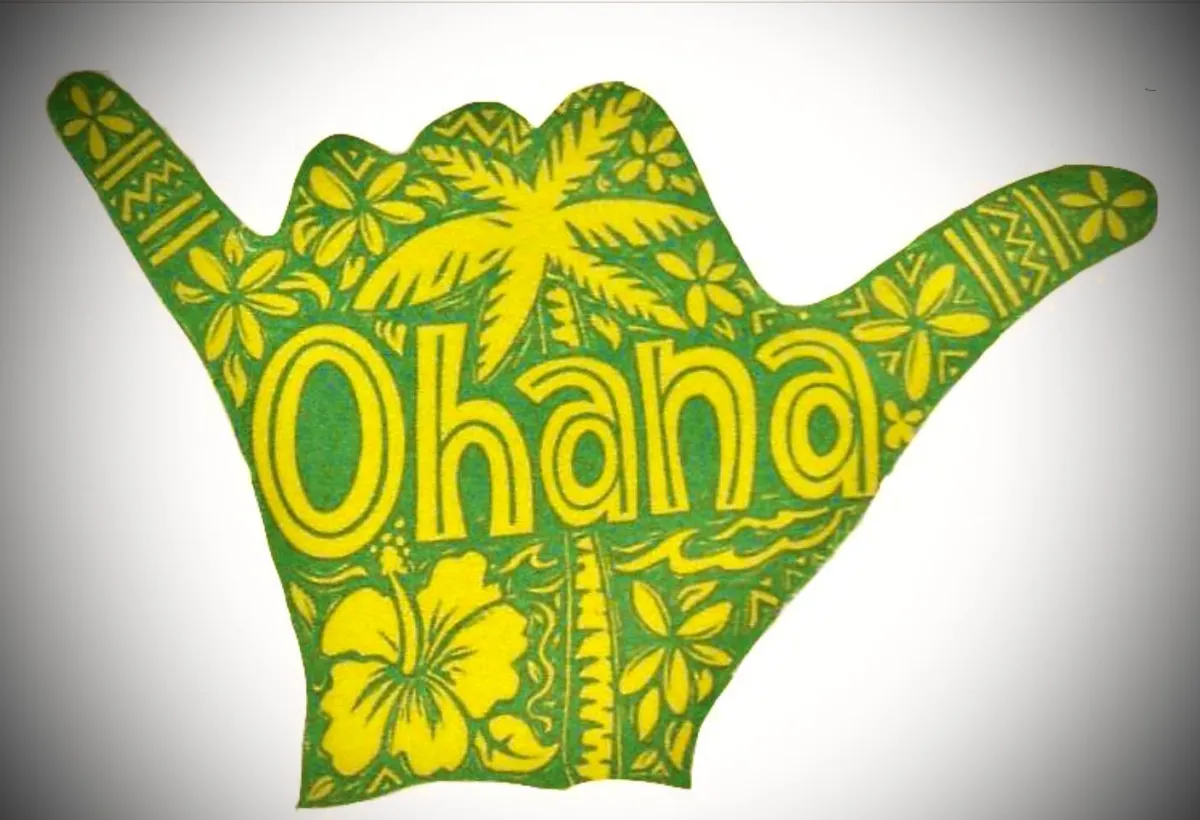
“Growing ʻOhana”
“Growing ʻOhana”
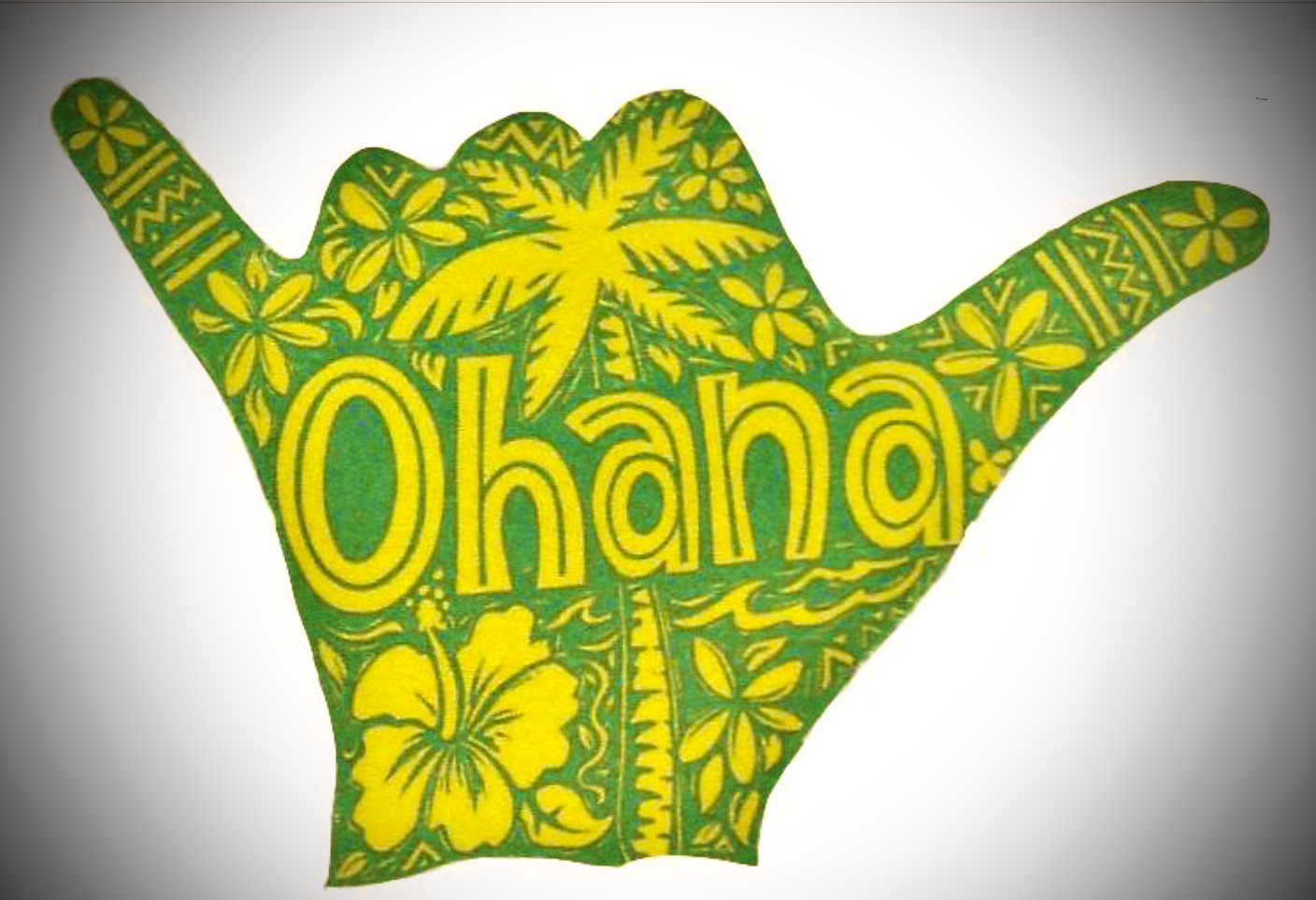
It doesn’t take long to live among the indigenous people of the Pacific islands to learn their understanding of ʻOhana…
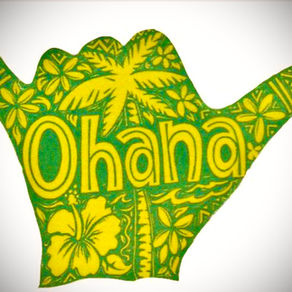
ʻOhana ~ is the word used in the Hawaiian and other island’s “pidgin languages” to share the concept of the loving culture they aspire to pass to each generation…
“Growing ʻOhana” involves ensuring that everyone in the family has what they need to survive and live with joy. This sense of family includes not only the children but also the elders, who receive much respect.
Most people in our culture today consider only those you are blood-related to as family. However, ancient Hawaiians and their modern descendants living in the Hawaiian islands have a broader definition of family than we do in mainstream American culture. ʻOhana refers to the familial bond they share.
With ʻOhana, the circle of family of kinship extends beyond what sociologists call the nuclear family: a mother, father, and their children. In fact, this term encompasses extended family across the generations and may even include people who are not biologically related, like friends and neighbors.
Traditional families in the islands consider caring for sons and daughters to be a source of joy. Many members of the family are involved in child-rearing. Younger people may call their older cousins “uncle” or “aunty” to show their interconnection.
In traditional Hawaiian families, grandparents often help take care of children. Aunts and uncles help raise their nieces and nephews, and everyone is someone’s ʻohana, whether you are part of a biological family or merely friends.
Native Hawaiians don’t treat their family as a separate structure in their everyday lives. Family, fellow workers, and recreational friendships interconnect in someone’s ʻohana.
It doesn’t take long to be around true Christians, true “God lovers” who have walked with Him and marinated in His Goodness and Grace, to see the experience of ʻOhana. They live out the essence of that culture to all they come in contact with… Individuals who have entered God’s “ʻOhana-Life-Kingdom” embrace ALL members in our “world community” with compassionate interconnection.
In Jesus‘s last prayer with the disciples before He died on the cross, He prayed…
“I pray for them all to be joined together as one even as You and I, Father, are joined together as One. I pray for them to become one with Us so that the world will recognize that You sent Me. For the very Glory You have given to Me I have given them so that they will be joined together as one and experience the same Unity that We enjoy. You live fully in Me and now I live fully in them so that they will experience perfect unity, and the world will be convinced that you have sent Me, for they will see that You Love each one of them with the same passionate Love that you have for Me.” - John 17:21 (TPT)
"May Your Will be done on earth, as It is in Heaven…” - Matthew 6:10 (NLT)

Devotionals Archive
Subscribe to Daily Devotionals


“Growing ʻOhana”
“Growing ʻOhana”
It doesn’t take long to live among the indigenous people of the Pacific islands to learn their understanding of ʻOhana…
ʻOhana ~ is the word used in the Hawaiian and other island’s “pidgin languages” to share the concept of the loving culture they aspire to pass to each generation…
“Growing ʻOhana” involves ensuring that everyone in the family has what they need to survive and live with joy. This sense of family includes not only the children but also the elders, who receive much respect.
Most people in our culture today consider only those you are blood-related to as family. However, ancient Hawaiians and their modern descendants living in the Hawaiian islands have a broader definition of family than we do in mainstream American culture. ʻOhana refers to the familial bond they share.
With ʻOhana, the circle of family of kinship extends beyond what sociologists call the nuclear family: a mother, father, and their children. In fact, this term encompasses extended family across the generations and may even include people who are not biologically related, like friends and neighbors.
Traditional families in the islands consider caring for sons and daughters to be a source of joy. Many members of the family are involved in child-rearing. Younger people may call their older cousins “uncle” or “aunty” to show their interconnection.
In traditional Hawaiian families, grandparents often help take care of children. Aunts and uncles help raise their nieces and nephews, and everyone is someone’s ʻohana, whether you are part of a biological family or merely friends.
Native Hawaiians don’t treat their family as a separate structure in their everyday lives. Family, fellow workers, and recreational friendships interconnect in someone’s ʻohana.
It doesn’t take long to be around true Christians, true “God lovers” who have walked with Him and marinated in His Goodness and Grace, to see the experience of ʻOhana. They live out the essence of that culture to all they come in contact with… Individuals who have entered God’s “ʻOhana-Life-Kingdom” embrace ALL members in our “world community” with compassionate interconnection.
In Jesus‘s last prayer with the disciples before He died on the cross, He prayed…
“I pray for them all to be joined together as one even as You and I, Father, are joined together as One. I pray for them to become one with Us so that the world will recognize that You sent Me. For the very Glory You have given to Me I have given them so that they will be joined together as one and experience the same Unity that We enjoy. You live fully in Me and now I live fully in them so that they will experience perfect unity, and the world will be convinced that you have sent Me, for they will see that You Love each one of them with the same passionate Love that you have for Me.” - John 17:21 (TPT)
"May Your Will be done on earth, as It is in Heaven…” - Matthew 6:10 (NLT)
© 2021 by The Good News Today Is. Proudly created by Cyber Innovation